
Lorem ipsum dolor sit amet, consectetur adipiscing elit. Ut elit tellus, luctus nec ullamcorper mattis, pulvinar dapibus leo. Lorem ipsum dolor sit amet, consectetur adipiscing elit. Ut elit tellus, luctus nec ullamcorper mattis, pulvinar dapibus leo. Lorem ipsum dolor sit amet, consectetur adipiscing elit. Ut elit tellus, luctus nec ullamcorper mattis, pulvinar dapibus leo.
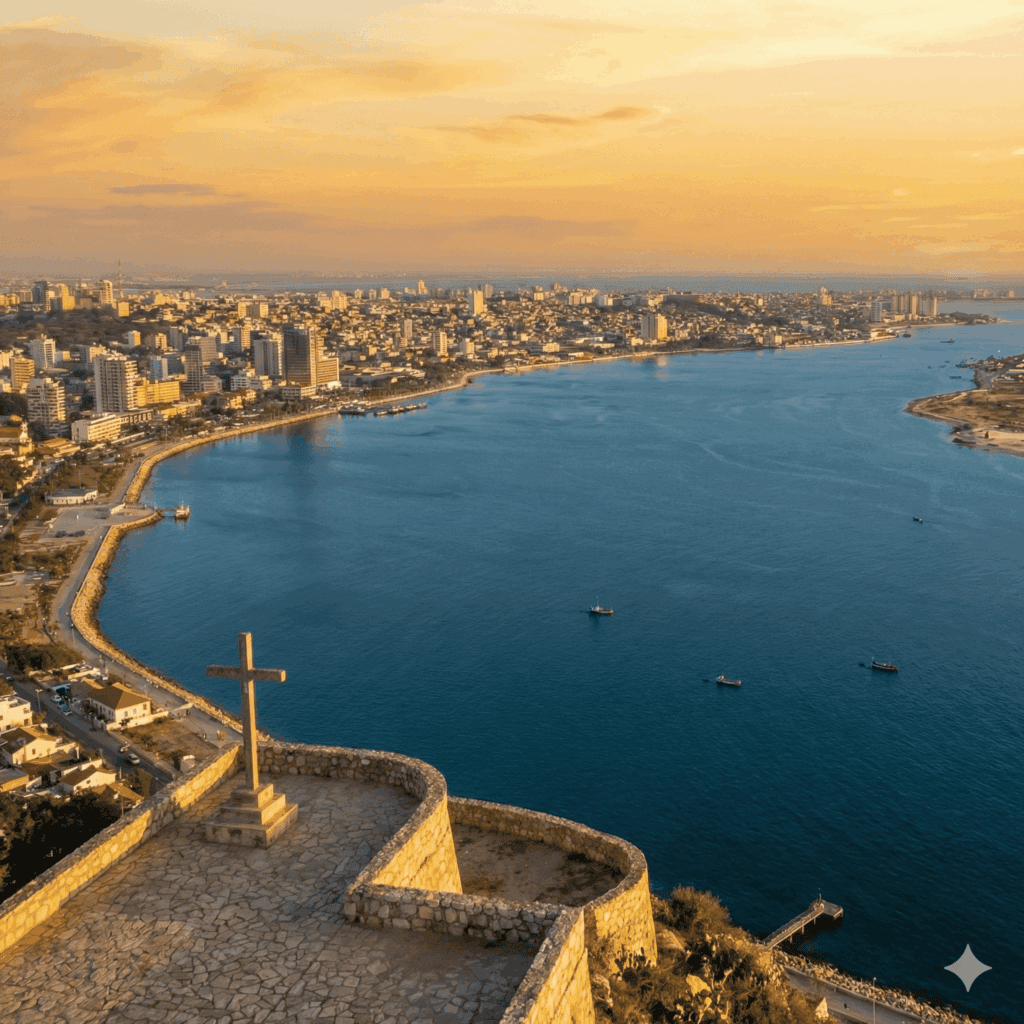
Angola: Morro da Cruz, Luanda
While Morro da Cruz offers stunning panoramic views of modern Luanda and the Atlantic Ocean, it also overlooks a coastline steeped in somber history. As one of the single busiest ports during the transatlantic slave trade, Luanda’s shores were the departure point for millions of enslaved Angolans forcibly taken to the Americas, particularly Brazil. Today, this scenic vantage point encourages reflection on this profound past while witnessing the vibrant resilience and growth of the capital city below.
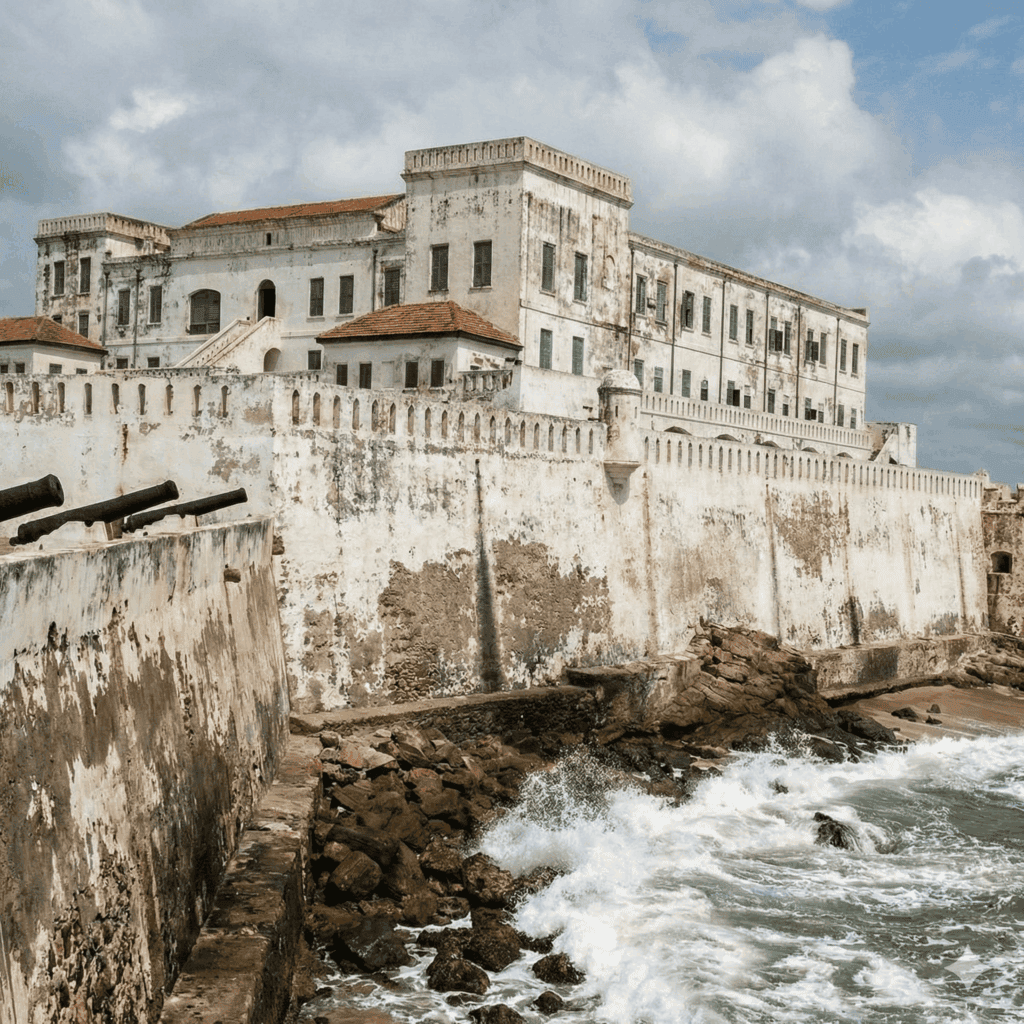
Ghana: Cape Coast
Immerse yourself in a profoundly moving journey through history at Cape Coast, dominated by the UNESCO-listed castle that served as a brutal holding center for enslaved Africans before their harrowing transatlantic voyage. Walking through the castle’s dungeons and passing through the infamous “Door of No Return” offers a visceral connection to the millions whose freedom was stolen at this pivotal transit point. Yet, beyond its solemn history, the town stands as a beacon of resilience, welcoming the African diaspora back to its warm shores and vibrant local culture.
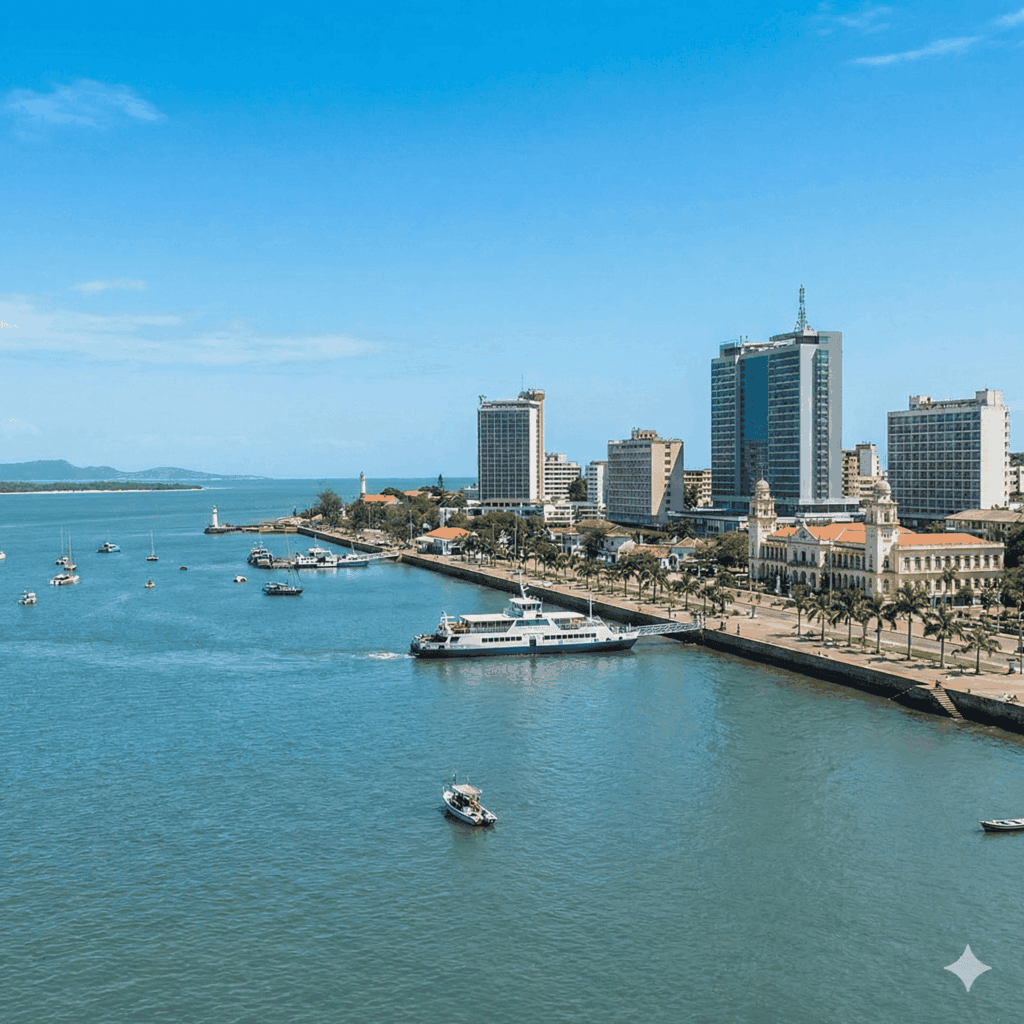
Mozambique: Maputo Bay, Maputo
Experience the tropical allure of Maputo Bay, whose tranquil, azure waters belie its history as a significant southeastern hub in the slave trade, particularly supplying captive laborers to French island colonies in the Indian Ocean. Today, the bay frames a cosmopolitan city where colonial architecture and wide avenues stand alongside a vibrant, modern Mozambican culture that has overcome its colonial past. Visitors can explore this complex historical legacy before enjoying the city’s renowned seafood scene and relaxing boat cruises to nearby Inhaca Island.
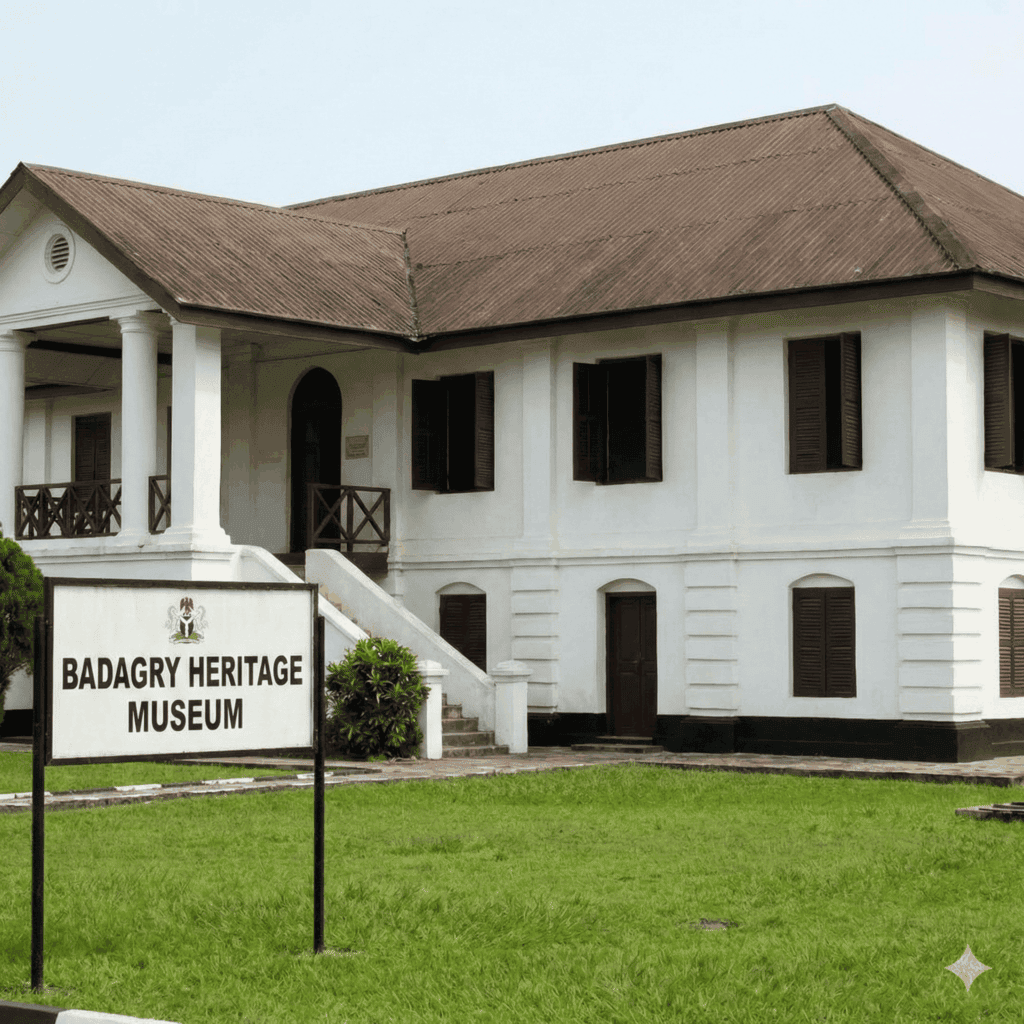
Nigeria: Calabar, Bonny, Badagry, and Lagos
Embark on a powerful coastal journey across Nigeria, tracing the routes of the historic “Slave Coast” where millions were tragically processed through major ports like Badagry, Bonny, and Calabar. Visitors can stand at Badagry’s poignant “Point of No Return” and explore Calabar’s history as a major exit point, gaining insight into the immense scale of the human trade that occurred here. This route offers a unique tapestry of experiences, weaving together a solemn acknowledgment of ancestral trauma with the pulsating rhythm and vibrant festivals of modern Nigerian culture.
Senegal: Gorée Island, Dakar
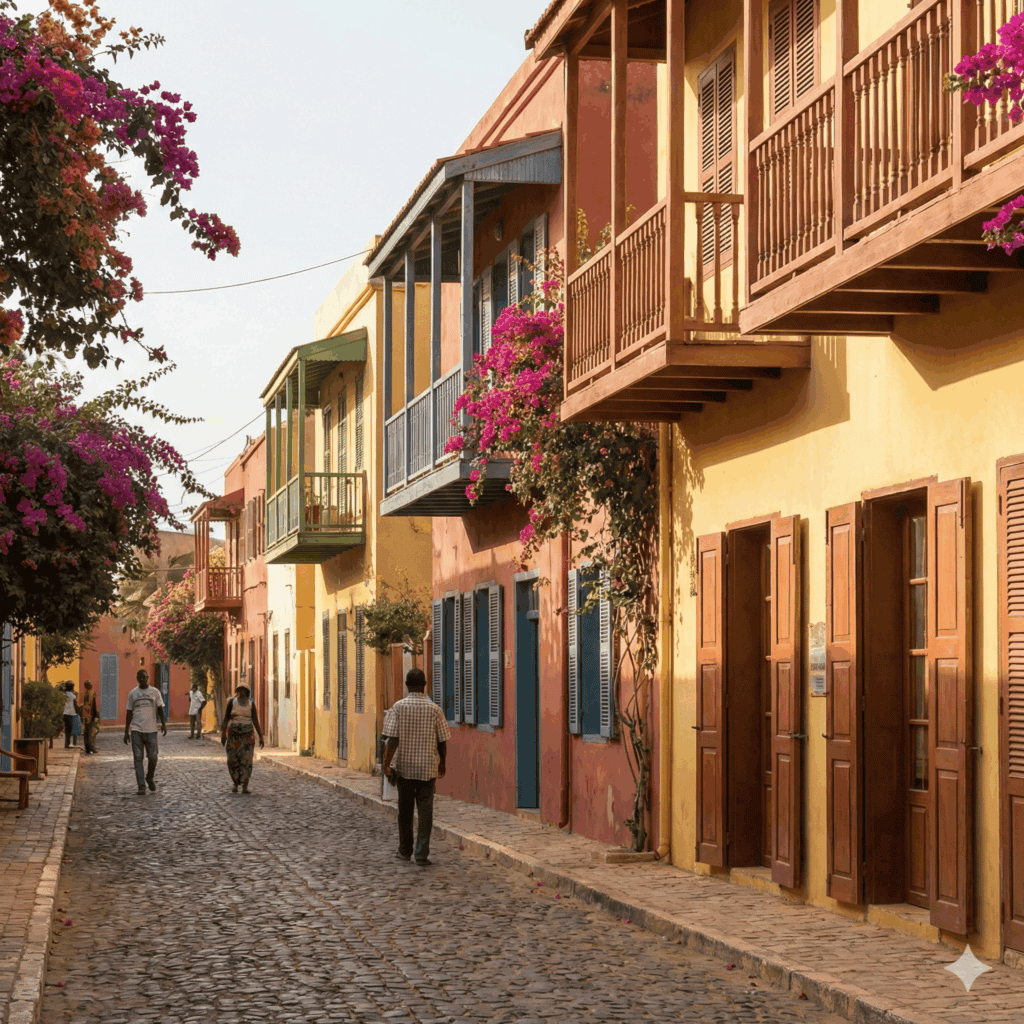
A short ferry ride from Dakar, the now-tranquil Gorée Island served for centuries as a pivotal warehousing center for enslaved Africans awaiting transport across the Atlantic. The island’s poignant House of Slaves and its infamous “Door of No Return” stand as powerful memorials to the countless human lives funnelled through this transit point. Today, walking its car-free, bougainvillea-lined streets offers a profoundly moving experience that balances remembrance of a brutal past with a peaceful, artistic present.
South Africa: Table Bay, Cape Town
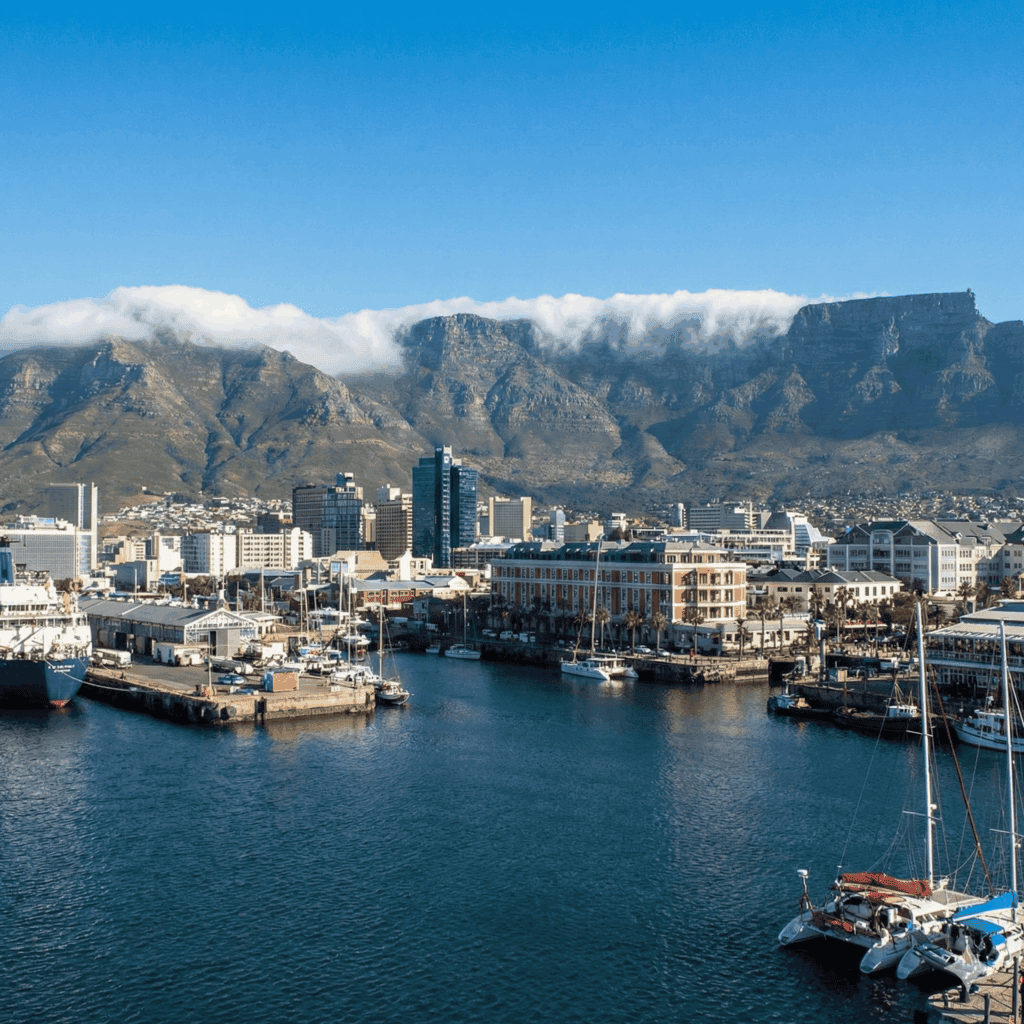
Sail into the majestic Table Bay, the historic maritime gateway where the Dutch East India Company imported enslaved people from Madagascar, East Africa, and Asia to build the foundational infrastructure of the Cape colony. The imposing silhouette of Table Mountain overlooks a harbor that was a landing point for unfree laborers, whose legacy is deeply woven into the city’s diverse culture today. This vibrant area, now anchored by the V&A Waterfront, offers a stunning intersection where visitors can reflect on these complex origins amid natural wonder and modern urban luxury.
South Africa: Port Natal (Durban), KwaZulu-Natal
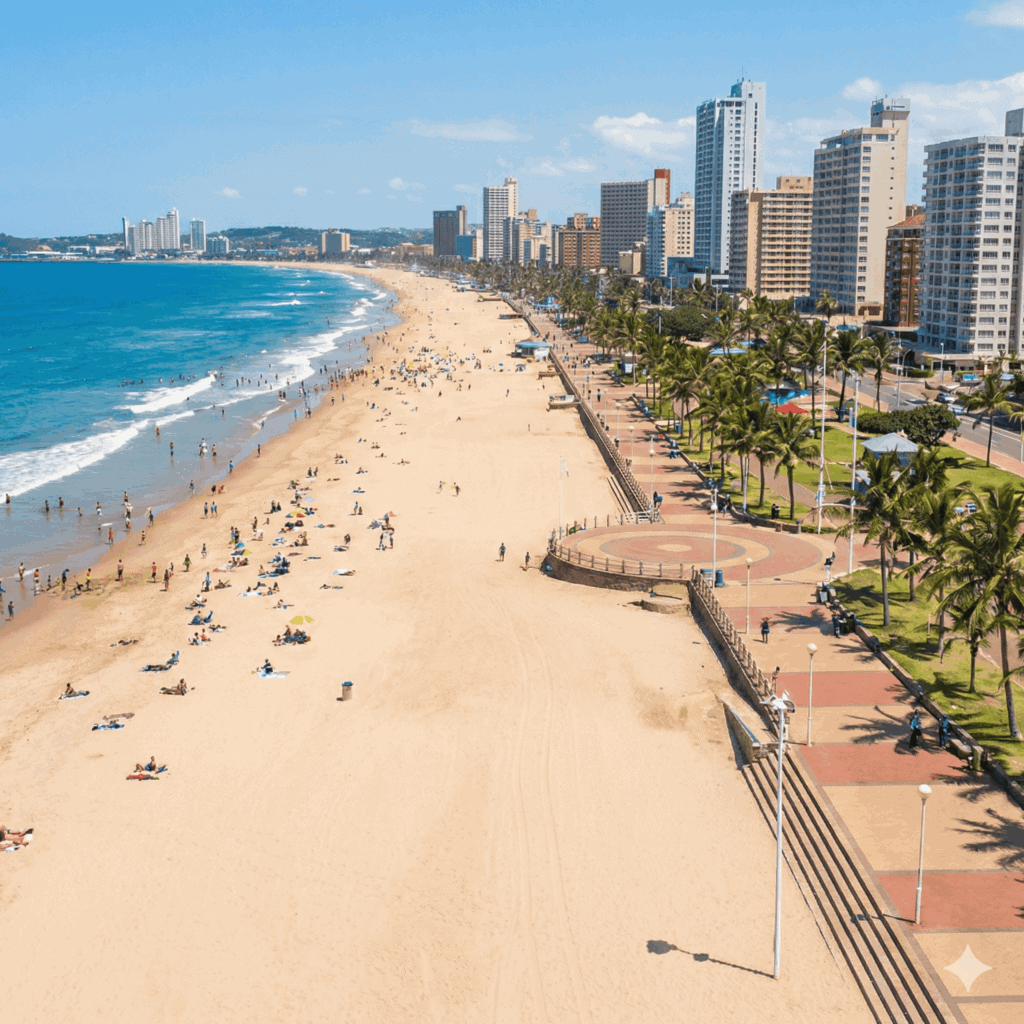
Dive into the complex history of Port Natal, now the bustling city of Durban, whose natural harbor facilitated colonial expansion and the movement of unfree laborers that shaped the region’s demographics. While famous today for the “Golden Mile” of sandy beaches and a vibrant cultural melting pot, the port city’s foundations rest on a history of varied forms of forced and indentured labor crucial to the colonial economy. It is an energetic playground for beach lovers that also offers deep historical avenues for cultural explorers to investigate.
South Africa: Simon’s Town, Cape Town
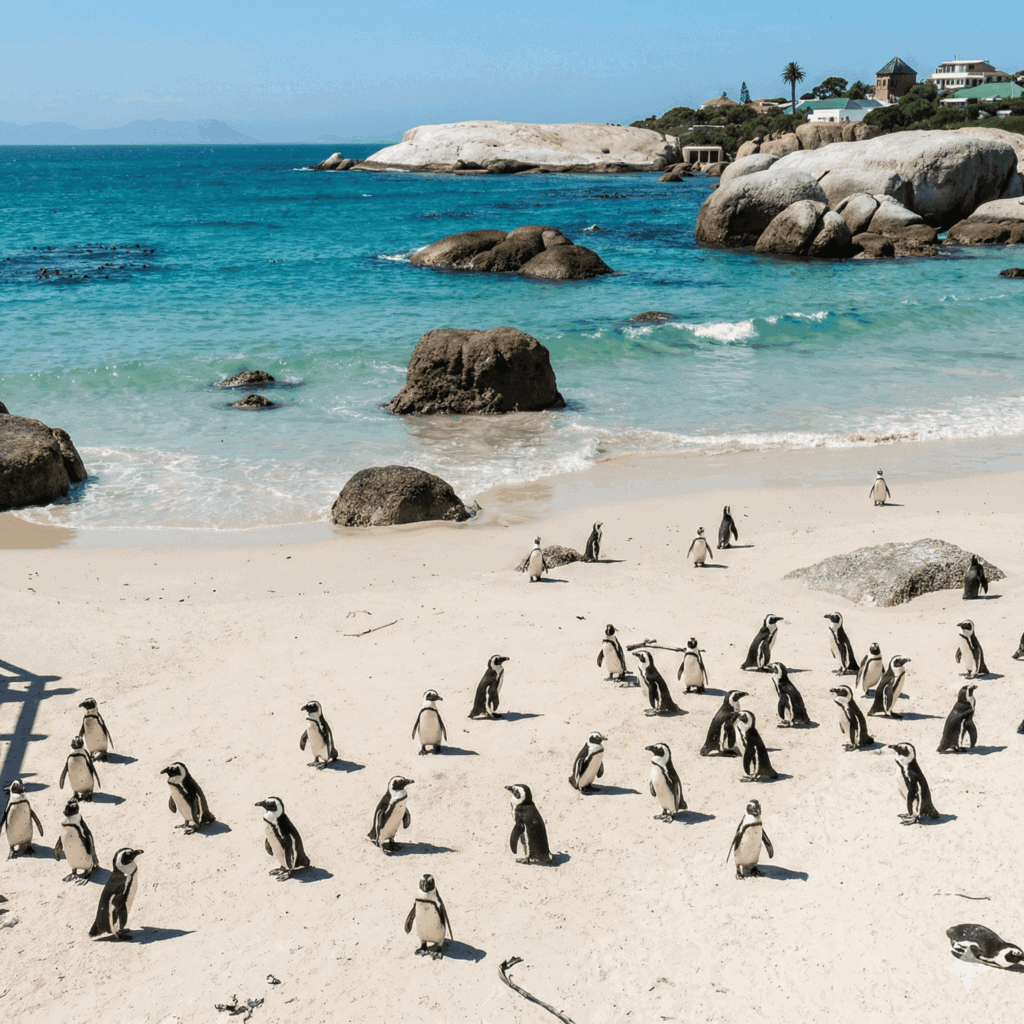
Nestled against the Cape Peninsula, the historic naval village of Simon’s Town offers a unique perspective on maritime history, having served as a base for the Royal Navy squadron tasked with suppressing the slave trade after its abolition. While world-famous today for the Boulders Beach penguin colony and charming Victorian architecture, the town’s museums explore its complex role in intercepting slave ships and processing “liberated Africans” into indentured labor at the Cape. It is a delightful coastal gem that blends wildlife encounters with critical maritime heritage.